


This choice provides the best boosting and maximum coverage for your space. You have to arrange the installation though.

-

Free Fast Shipping
Orders to locations within the 48 United States typically ship the same day for free.
-

90-Day Returns
Return your booster within 90 days for a full refund if it doesn't work for you.
-

Lowest Price Guarantee
Shop with peace of mind that you're getting the lowest price for every product.
Self-Installed Solutions


Solutions with Professional Installation
If you're looking for a hassle-free installation that can be done quickly by a professional, then these are the best options for you.
-
 Includes Professional Installation
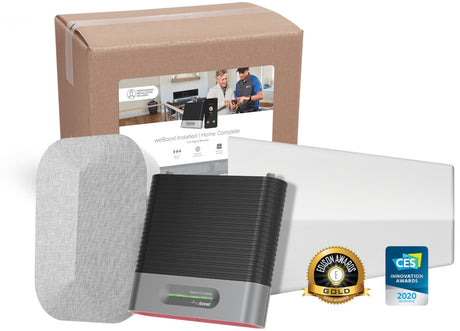
weBoost Installed | Home Complete - Includes Professional Installation (474445)
$1,499.99Unit price /Unavailable -
 Includes Professional Installation
weBoost Installed Office 300 - Includes Professional Installation | 479047
$3,799.99Unit price /Unavailable -
 Includes Professional Installation
weBoost Installed | Home Complete - 2 System Bundle, Professional Installation Included
$2,999.98Unit price /Unavailable


What Causes Bad Cell Signal?
Before we go into how to choose the right cell phone booster, it's important to know what causes bad cell signal. Here are the main culprits:
- Distance from Cell Towers: The farther you are from a cell tower, the weaker the incoming signal and the harder it is to get the cell signal back to the tower from your phone. This is usually the main cause of bad cell signal in rural areas.
- Obstacles in the Way: Major impediments, like buildings, hills, mountains, and trees will block cell signal or cause it to bounce erratically, resulting in weak or fluctuating signal.
- Construction Materials: Materials like concrete, brick, block and metal will block signal from penetrating into a house or building. Energy efficient materials, like window coatings, also are major blockers of cell signal.

How Does a Cell Phone Booster Work?
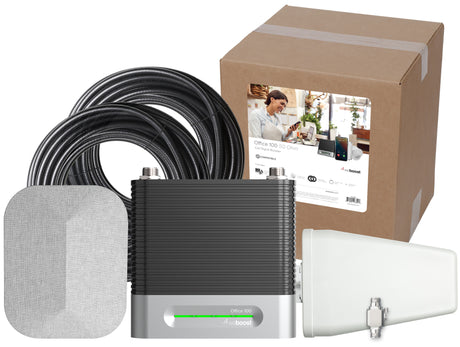
A cell phone booster is made up of 3 major components: the outside antenna, amplifier, and inside antenna. These components are connected together with low-loss cable.
- The outside antenna, which is typically mounted on the roof, receives the cell signal from a local cell tower and passes that signal over a cable to the signal amplifier, which is located inside the building.
- The amplifier boosts the cell signal and then passes it over another cable to the inside antenna(s), where it's broadcast out to the mobile devices in the area.
- When a mobile phone or device makes a call or sends data, the signal goes through the booster system, is amplified, and then broadcast back to the distant cell tower in a much more powerful manner.
A signal booster eliminates the causes of bad cell signal by boosting weak cell signal caused by distant cell towers & obstacles and bypassing construction materials that block cell signal.

Who Can Benefit From a Cell Phone Booster for Metal Buildings?
Here are just a few of the places that benefit from cell phone boosters designed to penetrate metal walls and roofing:
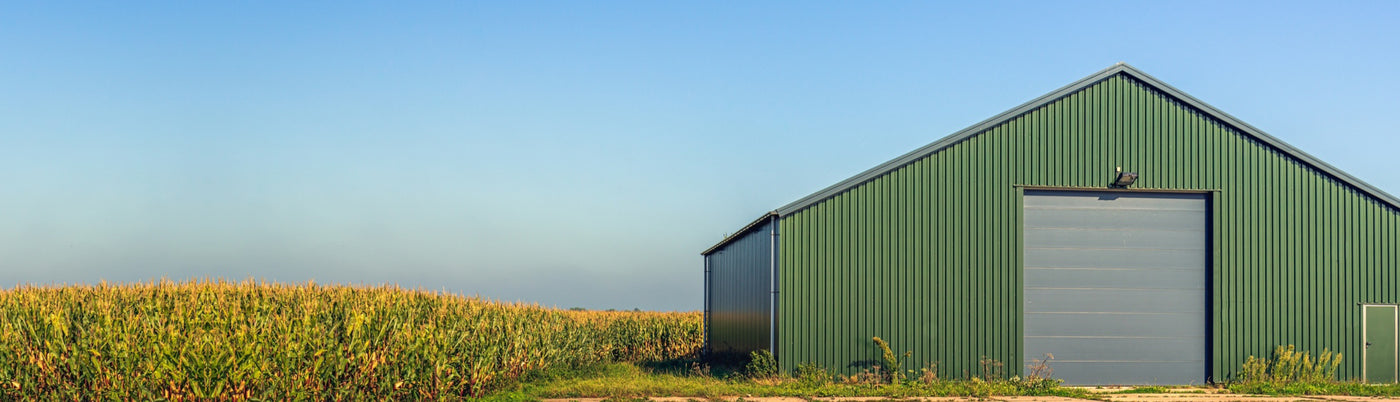
- Pole Barns: Whether you're using it as a workshop, storage, or livestock shelter, a booster brings reliable signal inside where metal construction blocks it out.
- Warehouses and Distribution Centers: Keep your team connected across large open floor plans where metal walls and roofing create dead zones.
- Auto Shops and Garages: Service bays surrounded by steel need consistent signal for diagnostics, customer calls, and payment processing.
- Farm and Agricultural Buildings: Equipment barns, storage buildings, and outbuildings on rural properties often sit in weak signal areas and are built with metal that blocks what little signal exists.
- Workshops and Manufacturing Facilities: Fabrication shops, welding bays, and production floors need connectivity for operations, safety, and communication.

Outside Antenna Options Explained
In rural areas, choosing the right outside antenna is key to getting the best performance from your signal booster. Here's a quick overview of the best outside antenna options for rural environments:
- High-Gain LPDA Antenna: Designed for remote rural locations with very weak signal. It offers 11–13 dBi of gain (making it the strongest of the 3 antennas) but requires direct line of sight to the distant cell tower for best performance.
- High-Gain Omni Antenna: A strong option when you need to pull signal from multiple directions without aiming. The weBoost Hex 360 delivers up to 7.5 dBi of gain, rivaling some directional antennas while capturing signal from all around. Great for metal buildings, rural properties, or locations where tower direction is unknown or unreliable.
- Yagi Directional Antenna: Great for rural areas where you have a weak existing outside signal. With 10 dB of gain, it's second in power only to the LPDA and it offers a 75 degree view of the horizon so you don't have to be as pinpoint accurate.
- Omni Antenna: A good choice for rural areas with hilly or mountainous terrain where there’s no clear line of sight to a cell tower. Provides 4 dB of gain and captures signal in all directions, so it can still receive bouncing or reflected signals. Will provide the least amount of inside coverage, but is the only antenna that can handle reflected signal.

Inside Antenna Options Explained
The right inside antenna configuration depends on the size of your space and how many walls or obstacles are present. Here's a quick overview of the best inside antenna options:
- Panel Antenna: A directional antenna that mounts to a wall or ceiling and focuses signal in one direction, making it perfect for targeting specific areas or covering multiple floors. It offers higher gain (7-10 dBi) than dome antennas and works well for multi-story homes, long narrow spaces, or locations with high ceilings.
- Standard Dome Antenna: A ceiling-mounted antenna that broadcasts signal in all directions. It's a good option for offices with drop ceilings where cables can be run above the tiles. With an average gain of 2-5 dBi, it’s an economical choice.
- Ultra-Thin Dome Antenna: A sleek, low-profile version of the standard dome, designed for spaces where aesthetics & performance matter. It delivers more power (4-6 dBi) and is ideal for businesses or high-end homes where the antenna needs to blend seamlessly with the ceiling. The cables need to be run above the ceiling for the ultra-thin dome as well.
How Many Inside Antennas do You Need?
For most rural homes, one antenna typically covers 750 to 1,500 square feet, while larger, open areas like offices can require one antenna for every 1,500 to 2,500 square feet.